If you are trying to picture what everyday life in South Denver really feels like, the short answer is this: it is not just one neighborhood experience. South Denver works more like a collection of connected districts, each with its own rhythm, housing style, and local hangouts. If you want a place where parks, walkable business streets, and practical commute options can all be part of your routine, this guide will help you understand what to expect. Let’s dive in.
South Denver at a Glance
South Denver is best understood as a group of established south-side neighborhoods rather than a single uniform area. For many buyers, the most recognizable clusters include Washington Park with South Pearl and South Gaylord, South Broadway with Baker, and University Park near DU.
That mix matters because your daily life can look different from one pocket to the next. One area may feel centered on a large park and tree-lined residential blocks, while another feels more urban, with storefronts, historic buildings, and a busier street scene. In practical terms, South Denver gives you options without losing a strong sense of place.
Outdoor Living in South Denver
Washington Park Sets the Tone
Washington Park is one of the biggest lifestyle anchors in South Denver. The park includes two lakes, two formal flower gardens, tree-lined paths, wide green spaces, a large meadow, and a boathouse.
For everyday living, that creates a flexible routine. You can walk the paths, run, bike, bring your dog, spend time on the water, or simply use the park as a reset point in the middle of the week. It is one of the reasons many people associate South Denver with an active, outdoors-focused lifestyle.
Trails Extend Beyond the Park
South Denver is not limited to one major park. Denver maintains more than 90 miles of off-street, multi-use trails, and the south side connects to routes like Goldsmith Gulch, Lakewood Gulch, and West Harvard Gulch, in addition to the Washington Park loops.
That broader network can shape your routine in useful ways. You may be able to use the same trail system for a short neighborhood walk, a longer bike ride, or even part of a regular commute. For buyers who care about having outdoor access built into daily life, this is a real advantage.
High Line Canal and Harvard Gulch Add Variety
The High Line Canal adds another major outdoor option. Denver describes it as a 71-mile trail corridor that extends into Denver County and supports both recreation and commuting, with recent underpass projects at Colorado and Hampden and at Yale and Holly designed to improve convenience and safety.
Harvard Gulch offers a more neighborhood-scale option. The area includes a recreation center, outdoor pool, gymnasium, cardio room, weight room, art space, and low-stress bike access. Together, these amenities give South Denver a layered outdoor feel, from major regional routes to local everyday recreation.
Dining and Shopping Patterns
South Pearl Feels Convenient and Lively
South Pearl Street is one of the clearest examples of South Denver’s everyday appeal. What began as a trolley corridor has grown into a shopping and dining district with galleries, wine and cocktail bars, specialty shops, boutique clothing stores, and local restaurants.
In summer, the Sunday farmers market adds even more activity. If you are looking for a routine where you can combine errands, dining, and a neighborhood stroll, South Pearl shows how South Denver blends convenience with character.
South Gaylord Offers a Smaller-Scale Feel
Historic South Gaylord Street gives you a similar pattern in a more compact setting. The street includes restaurants, bars, and shops, many in converted late-19th-century houses.
That layout can make daily life feel a little more tucked in and neighborhood-oriented. For some buyers, this kind of smaller commercial area is part of the appeal because it adds variety without feeling overly busy.
South Broadway Brings an Urban Edge
South Broadway has a different personality from the park-centered pockets nearby. It is known for neighborhood taverns, unique eateries, bookstores, art galleries, international restaurants, craft shops, an arthouse movie theater, breweries, distilleries, live music venues, and Antique Row south of Alameda.
Baker adds to that identity with Queen Anne and Victorian architecture, condo conversions, and newer development mixed into the historic setting. If you like a more urban daily routine, South Broadway can offer a stronger nightlife and retail presence than some of the quieter residential pockets nearby.
Getting Around South Denver
Rail and Bus Connections Matter
Transportation is one of South Denver’s practical strengths. RTD’s rail system connects the south side through the E and H lines, and I-25 and Broadway serves as a rail station and park-n-ride for the D, E, and H lines along with multiple bus routes.
Route 40 on Colorado Boulevard adds another useful option by linking Southmoor Station, Colorado Station, and 40th and Colorado Station. For residents who want alternatives to driving every trip, these connections can make day-to-day movement more manageable.
Commutes Depend on the Pocket
Not every part of South Denver will feel the same from a commute standpoint. University Park’s history reflects long ties to rail and streetcar access, and the neighborhood sits roughly halfway between downtown Denver and the Tech Center.
That helps explain why South Denver often appeals to people trying to balance neighborhood living with access to major job centers. Depending on where you land, your routine may be shaped by rail access, major road corridors, bike lanes on South Broadway, or trail connections that support both recreation and errands.
Housing and Home Style
Detached Homes Lead in Many Areas
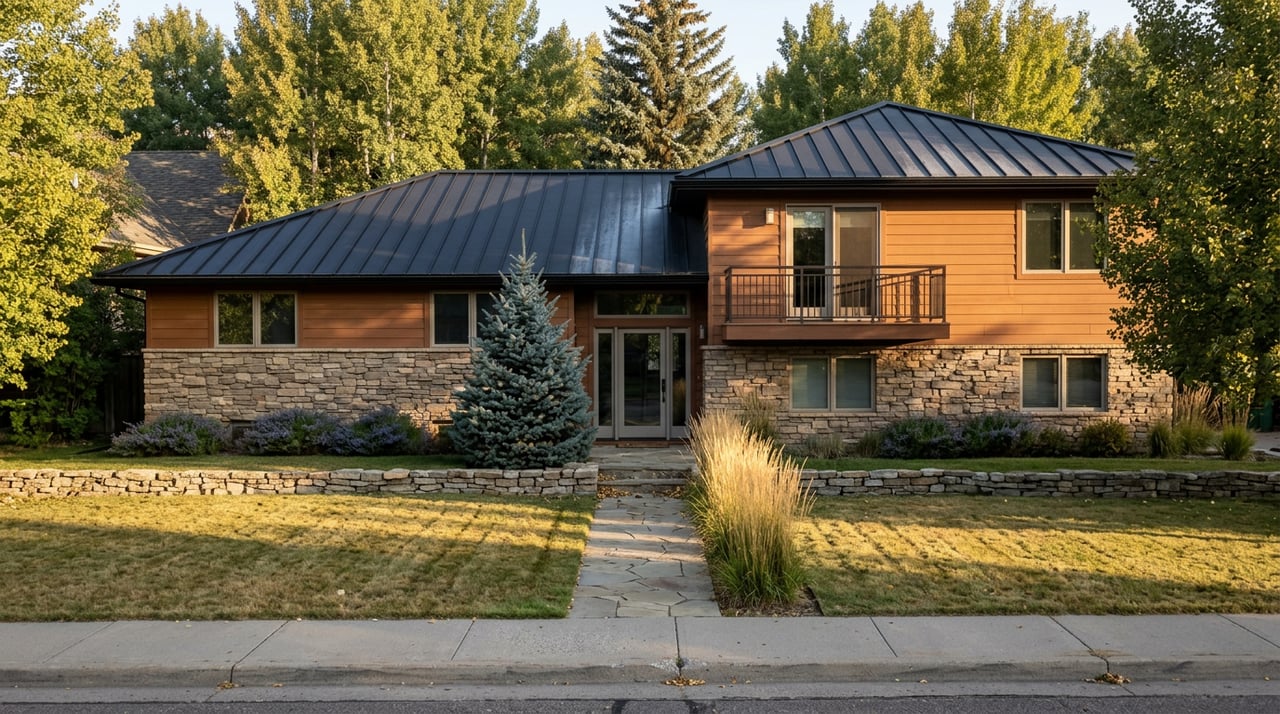
South Denver often feels residential and detached-home oriented, especially in places like University Park. The neighborhood history around DU describes many one-story single-family homes with spacious lawns, and the University Park neighborhood plan says more than three-quarters of the area is zoned for single-family detached housing.
That zoning pattern helps explain why many streets feel stable and residential, even near transit or commercial areas. If you are hoping for a quieter home base while still staying connected to city amenities, that balance is part of South Denver’s appeal.
Housing Types Vary Block by Block
At the same time, South Denver is not a one-style market. Baker includes historic Queen Anne and Victorian houses, condo conversions, and newer development, while Washington Park and South Pearl layer historic homes, walkable commercial streets, and mixed property types into the same general area.
For buyers, that means it is important to look closely at each block, not just the neighborhood name. You may find meaningful differences in lot size, age, density, renovation level, and overall home style within a short distance.
What Daily Life Really Feels Like
South Denver Rewards Lifestyle Buyers
If you value parks, local business districts, and access to different parts of the metro, South Denver offers a lot in daily life. You can build routines around morning walks, trail rides, coffee or dinner on a neighborhood retail street, and practical commuting options that go beyond getting in the car every time.
It also helps to come in with the right expectations. South Denver’s character often comes from older homes, established streetscapes, and a mix of historic and newer development, so the experience can be more nuanced than in a newer master-planned area.
The Right Fit Depends on Your Priorities
Your ideal pocket of South Denver depends on what matters most to you. Some buyers want the outdoor pull of Washington Park, some want the storefront energy of South Pearl or South Broadway, and others want the residential feel and access patterns around University Park.
That is why neighborhood guidance matters here. South Denver is connected, but it is not one-note, and the best match usually comes down to your routine, your housing goals, and how you want your day-to-day life to feel.
If you are thinking about buying, selling, or relocating in South Denver, working with a local expert can help you compare neighborhoods, narrow your search, and move with confidence. When you are ready to explore your options, connect with Nate Forse.
FAQs
What is South Denver like for everyday outdoor living?
- South Denver offers strong outdoor access through Washington Park, neighborhood trail connectors like Goldsmith Gulch and West Harvard Gulch, the High Line Canal, and amenities at Harvard Gulch.
What is the South Pearl area known for in South Denver?
- South Pearl is known for its shopping and dining district, with galleries, wine and cocktail bars, specialty shops, boutique stores, local restaurants, and a summer Sunday farmers market.
What is South Broadway like for daily life in South Denver?
- South Broadway has a more urban feel, with taverns, restaurants, bookstores, galleries, craft shops, an arthouse movie theater, breweries, distilleries, live music venues, and Antique Row.
What are commuting options in South Denver?
- Commuting options in South Denver include RTD rail service on the E and H lines, access at I-25 and Broadway to the D, E, and H lines and bus routes, Route 40 on Colorado Boulevard, bike lanes on South Broadway, and multi-use trails.
What types of homes are common in South Denver?
- South Denver includes many single-family detached homes, especially in areas like University Park, along with historic houses, condo conversions, and newer development in places like Baker and around Washington Park and South Pearl.